

Arctic Council
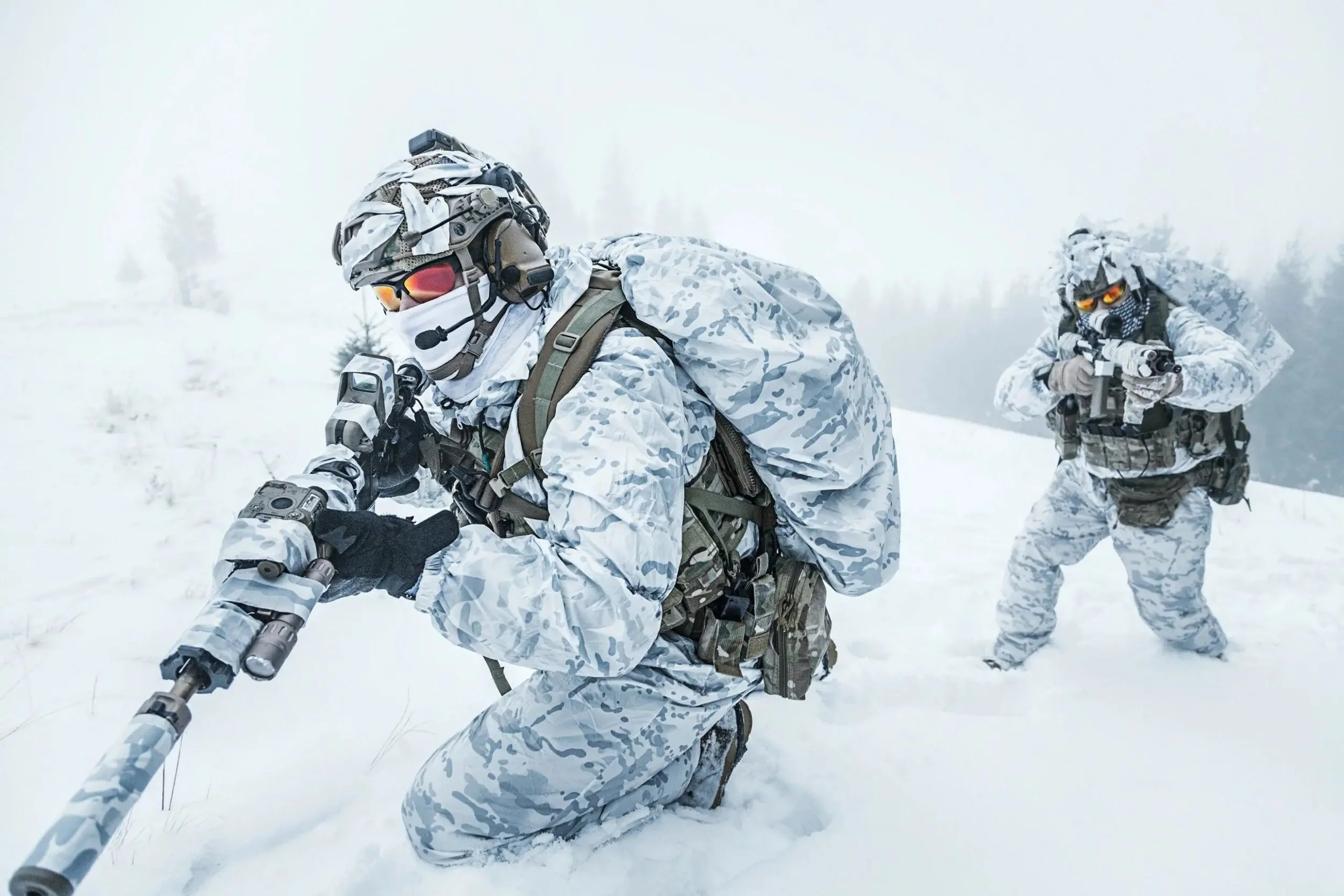
The Arctic Council gathers with the polite fiction of consensus governance barely holding. Russian participation has been suspended in practice since 2022, Finland and Sweden's accession to NATO has erased the region's old neutrality, and NATO's new Arctic Sentry mission, launched in February 2026, now coordinates the military forces of every Arctic NATO member against the one state left outside the tent. Moscow has answered in kind, building new Arctic Command infrastructure, opening Soviet-era airfields and deep-water ports, and testing novel weapons systems in the region, while President Trump's renewed pressure campaign over Greenland has opened a second, unexpected fault line inside the Western bloc itself. Add in China's growing interest in Arctic shipping lanes and resources, unresolved continental shelf claims under UNCLOS, and a genuinely contested Northern Sea Route, and a body built for climate science and search-and-rescue cooperation now finds itself managing something closer to a great-power standoff. Delegates will represent Arctic states and observer powers as they decide whether the Council can still function as a forum for cooperation or whether it becomes just another venue for the rivalries playing out on the ice above it. This is a full crisis committee, with a front room for formal Council proceedings and a back room for the bilateral deals, military posturing, and quiet leverage plays member states will use to stake their claim to a region that is opening up faster than anyone can agree on the rules.